

Journal
Notes on the choices that give QAF its character: place, materials, proportion and purpose.
16 September 2026
The place we are building for
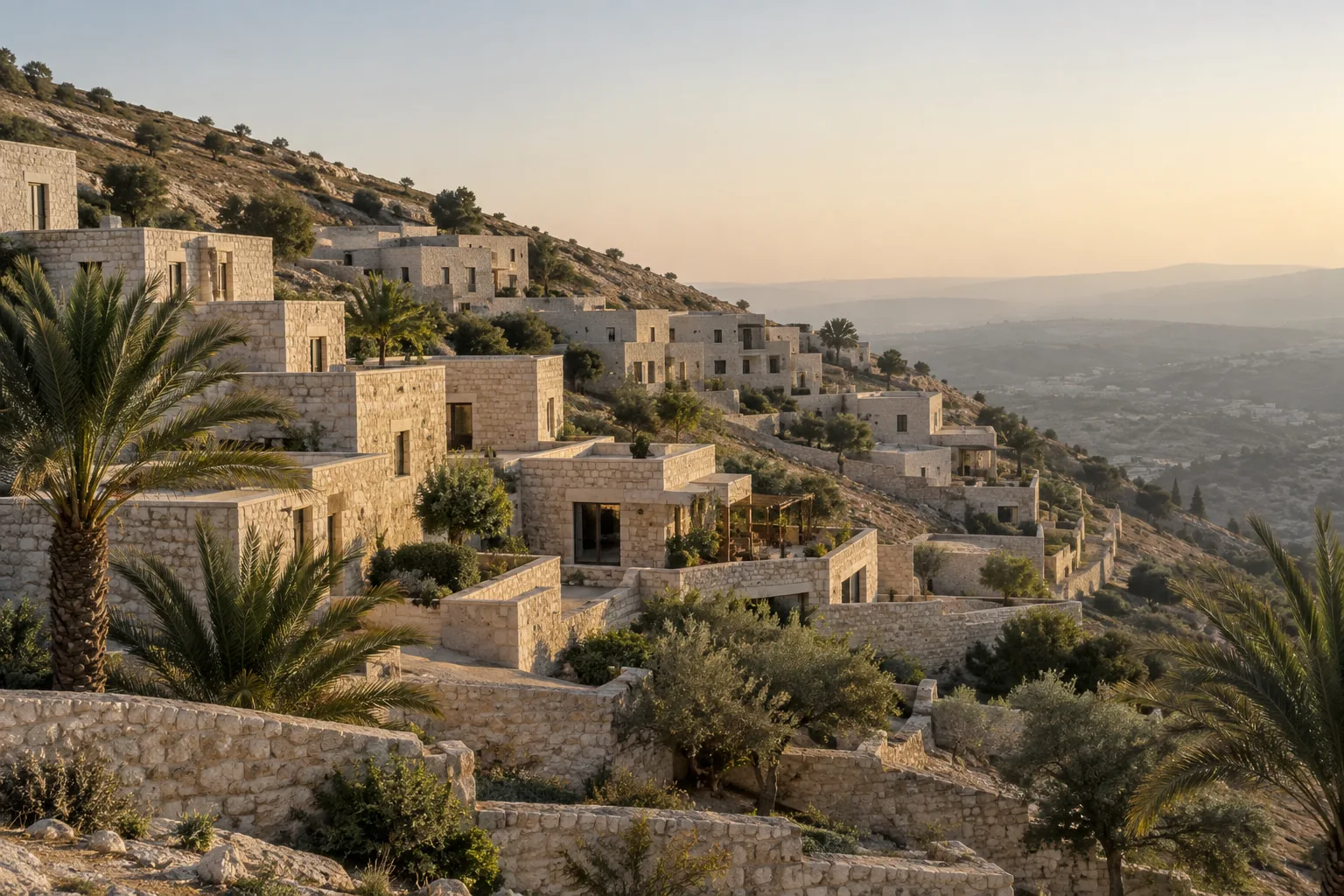
The districts rising beside AlMasjid AlHaram are being rebuilt at a scale that is hard to hold in the head: up to twelve million square metres of floor area, around nine hundred thousand praying spaces, and two great pedestrian entrances — Jabal al Kaaba Road and Zamzam Plaza — through which most guests will arrive on foot.
The buildings slope toward the Kaaba, so the quarter reads as a single gesture rather than a grid of towers. Some nineteen thousand square metres of heritage fabric is being restored inside it, and the programme is expected to support more than three hundred thousand jobs by 2036.
What all of that produces is walking. Long, hot, dignified walking, between a transit stop and a threshold. That gap — a few hundred metres, sometimes a kilometre, at forty-five degrees — is the whole reason a QAF exists.
journal-place.webp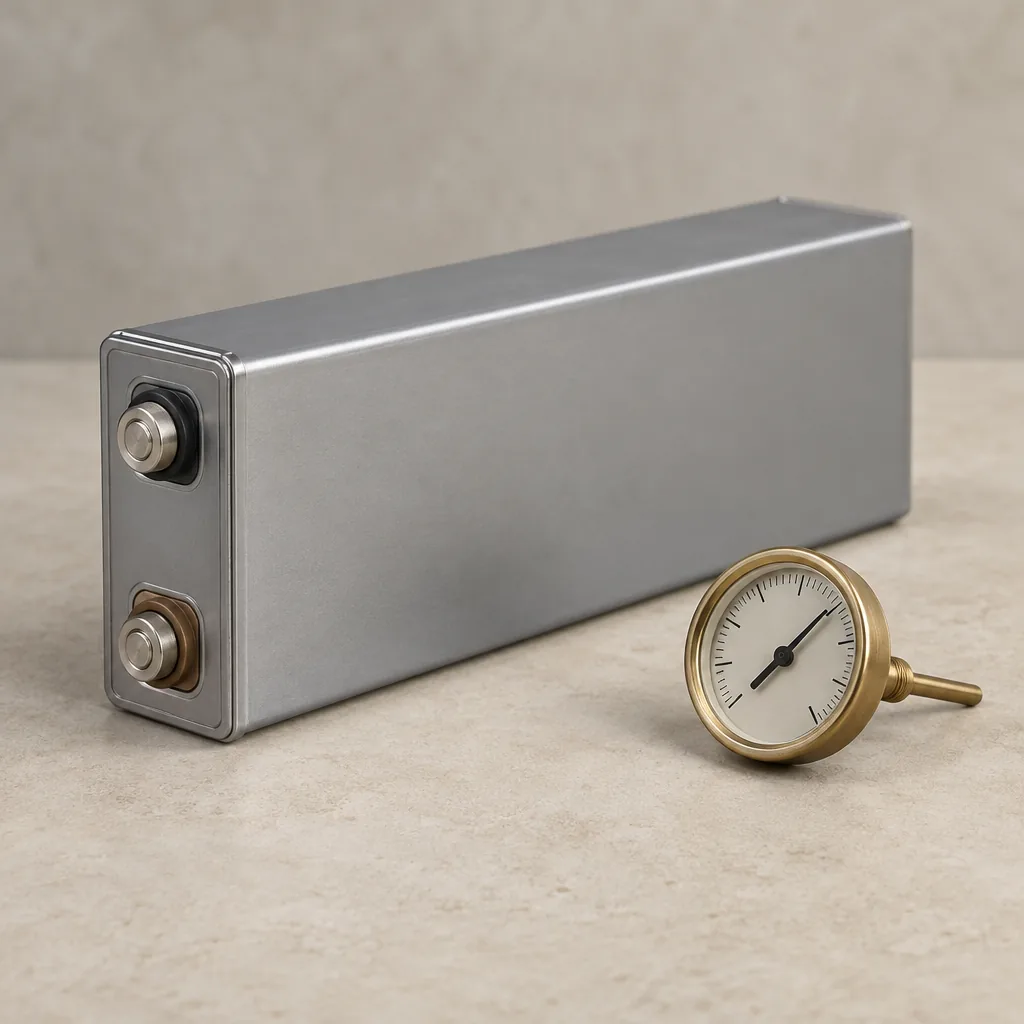
journal-lfp.webp9 September 2026
Why iron and phosphate
A nickel-manganese-cobalt cell holds more energy per kilogram. For a car that crosses a continent, that is the argument that wins. Ours does not cross a continent.
A QAF does short trips all day and charges at a depot every evening, in a climate that punishes a battery. The platform’s lithium iron phosphate packs offer a starting point for that brief. Performance and ageing still depend on pack design, thermal management, charging and the actual route. Its cathode contains neither cobalt nor nickel.
The programme must establish whether the selected capacity delivers the required day of work with a suitable reserve.
2 September 2026
What we keep and what we change
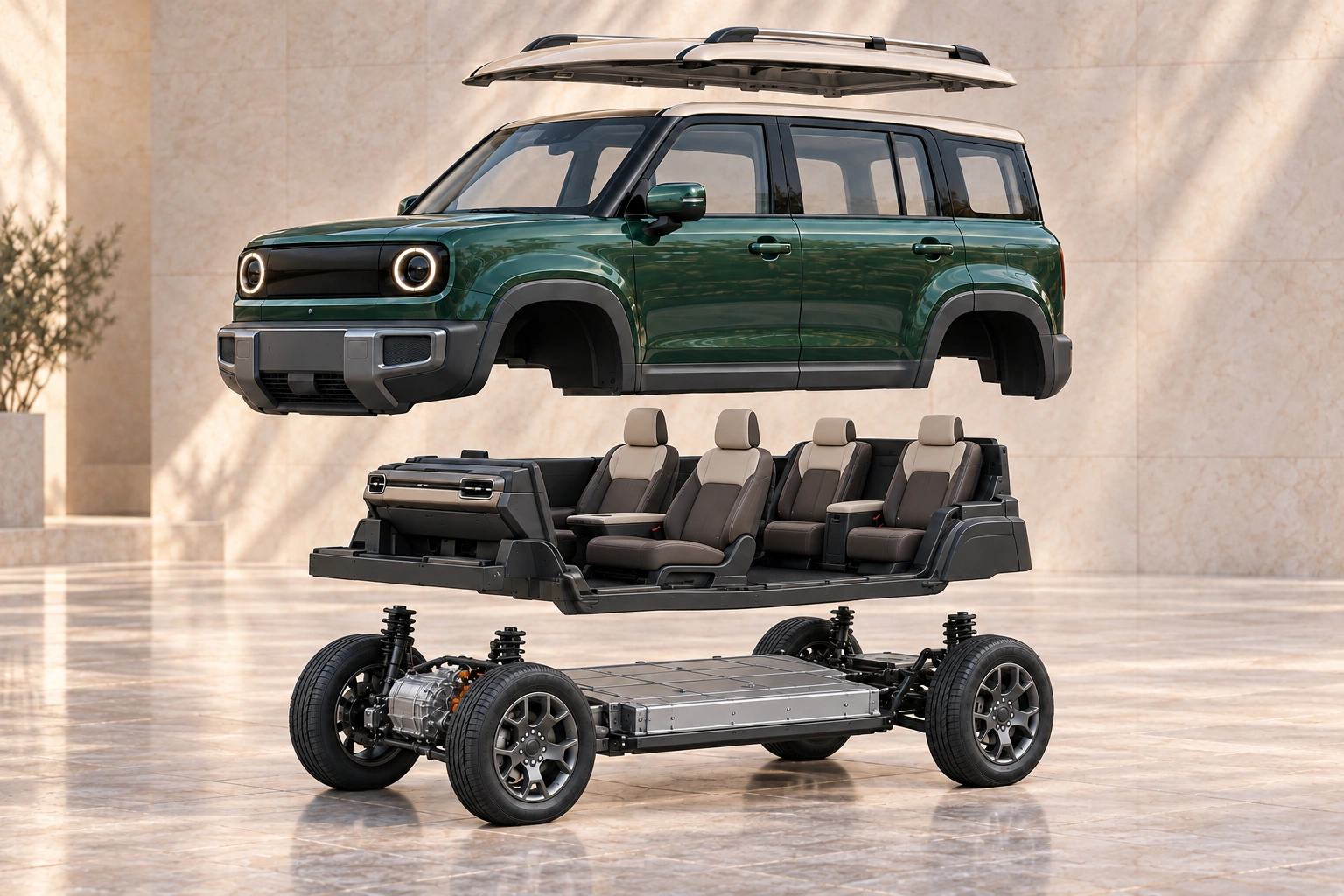
A coachbuilder's discipline is a short list. Keep the certified structure and the high-voltage system — the body-in-white, the crash structure, the airbags, the pack, the motor, the inverter — because that is where a small house cannot do better than a manufacturer building by the hundred thousand.
Change everything the guest touches: paint, panels, seats, door cards, headliner, floor, glass, climate, and the software on the screen.
The precedent is Monteverdi, who took proven American engines and built cars around them in Basel — Swiss discipline applied to someone else's machinery, and a better object at the end of it. We are doing the same thing for a district in the Kingdom, rather than for a boulevard in Europe.
journal-keep-change.webp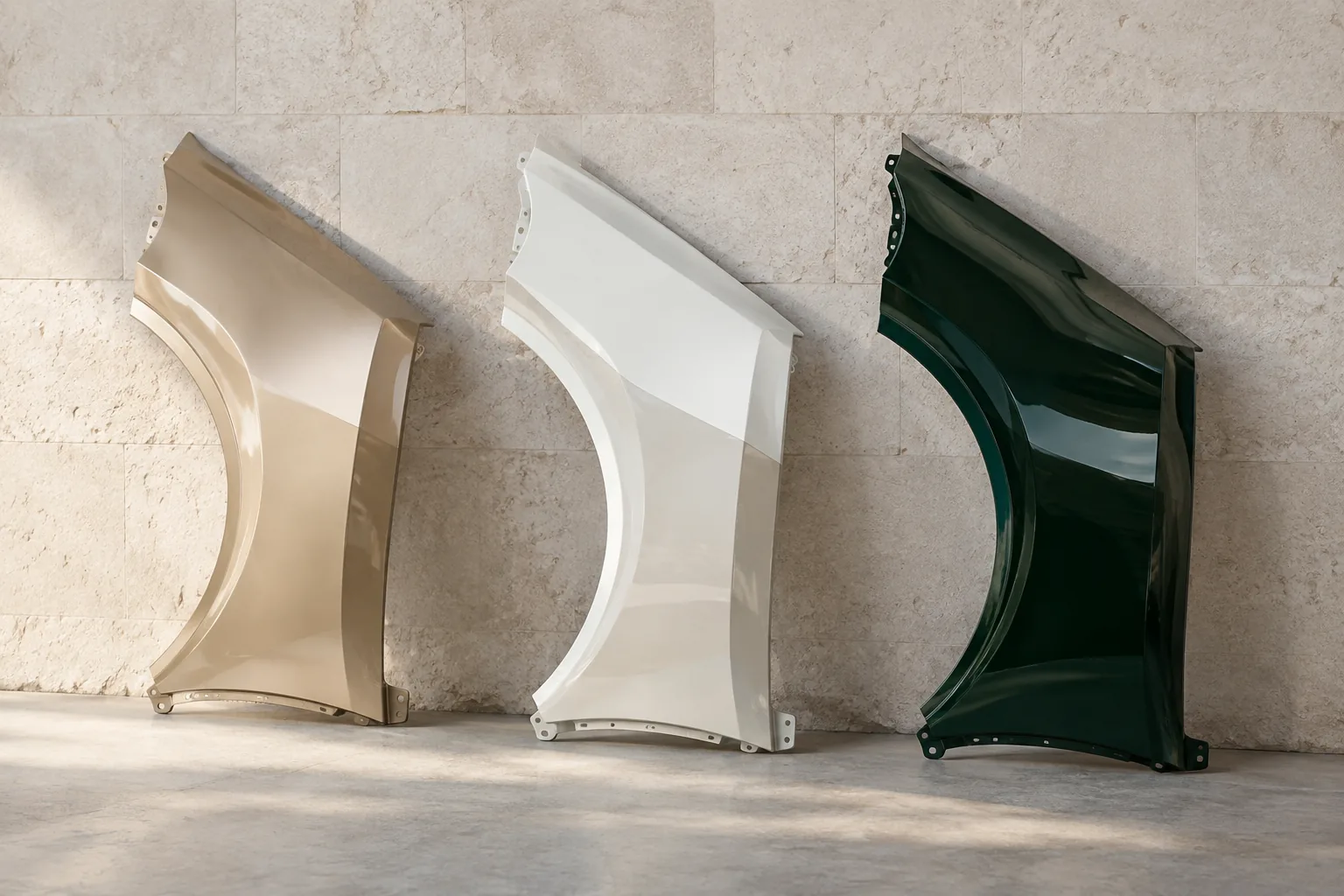
journal-three-colours.webp26 August 2026
Three colours
The colour studies take their cue from pale stone, deep shade and the changing light of the Saudi landscape.
Sand-gold over bone sits inside the colour of the ground, so a working fleet does not shout. Bone white with a band of pale stone below the sill line, and one fine emerald line at the belt, reads as a guest vehicle without ornament — the band takes the dust that a white car shows. Deep emerald over sand is the flagship: a colour the region has used in tilework for centuries, calm in shade and deep in low light.
Three colours, two bodies. Nothing else is offered as standard.
19 August 2026
Geometry, close to hand
We set one rule early: nothing sacred goes on a vehicle. Not a word, not a name, not a silhouette — because a vehicle is washed, parked, scraped and photographed, and none of those are things to do to scripture.
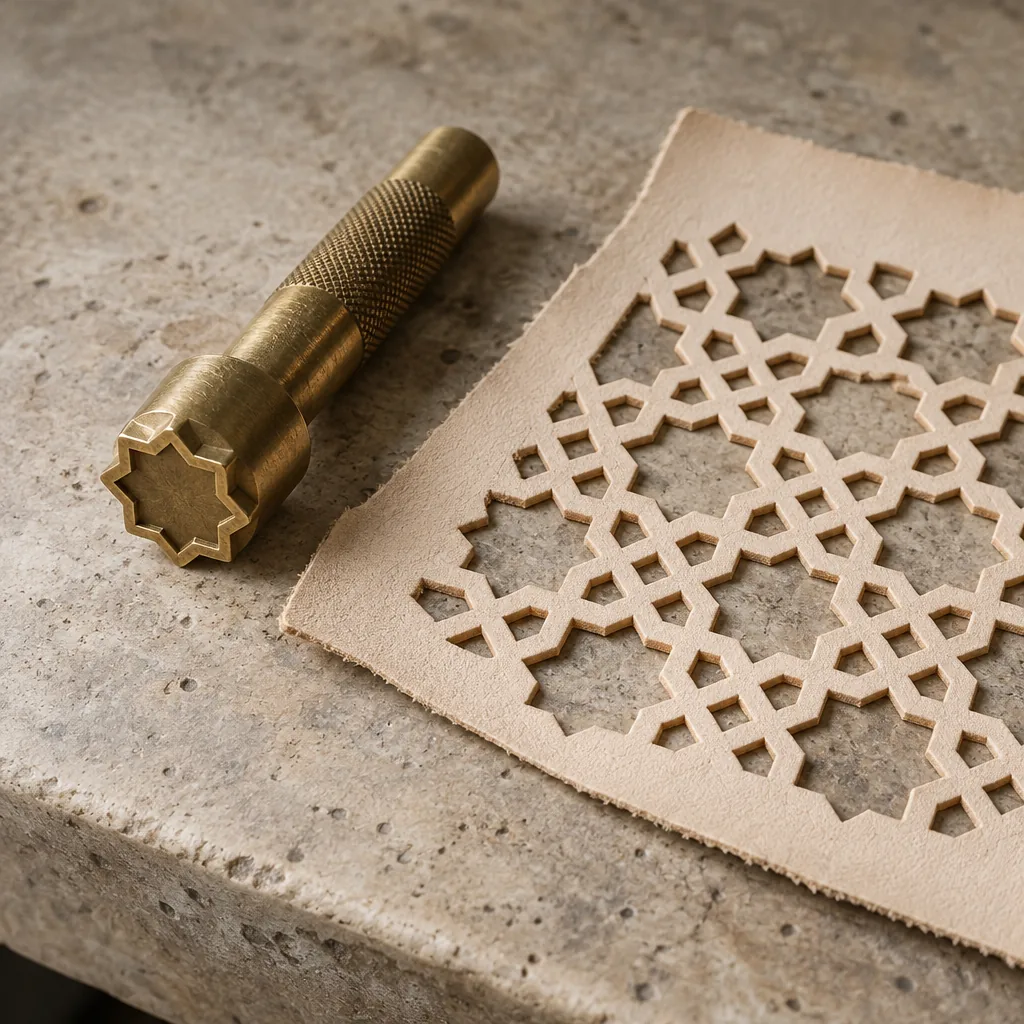
What remains is geometry. The eight-pointed star lattice draws on a long tradition of geometric ornament. Our treatment carries no sacred text. We use it at four scales: perforated into seat centres, embossed into door cards, cut into brass grilles and woven into floor mats.
It never appears on the outside of a QAF. Inside, it is the thing a hand finds before the eye does, which is the correct place for ornament in a vehicle built for a guest.
journal-pattern.webp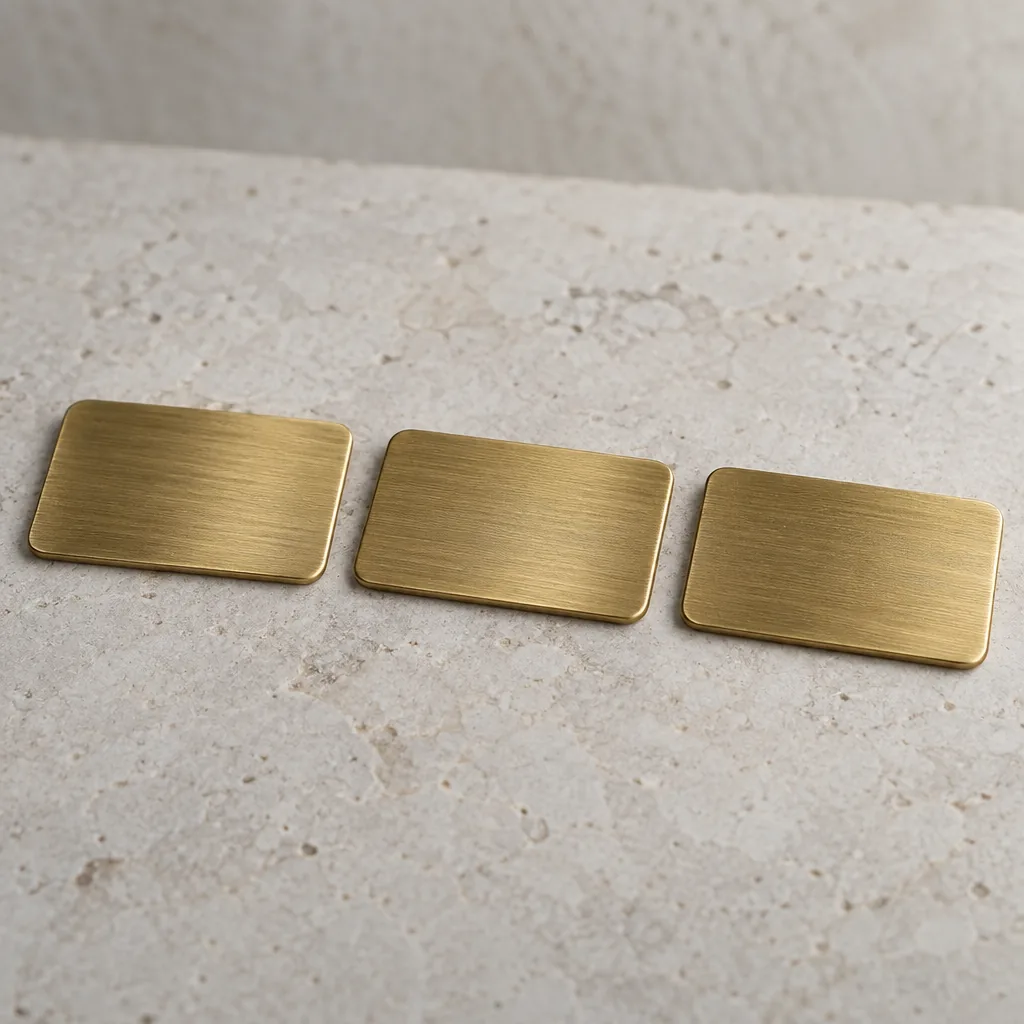
journal-naming.webp12 August 2026
Naming
The models were given the plainest names we could find. Sand is the working vehicle and the colour of the ground it works on. Stone is the guest vehicle and the material of the districts it will wait in. Emerald is the flagship and the colour it wears.
Descriptive names age better than invented ones. They also translate: each is a material or a colour rather than a coined word that means nothing in Arabic.
The house name is older. Qaf is the letter, and the mountain at the edge of the world in the region's cosmology — the place a journey ends. A vehicle for the last kilometre of a journey could not be called anything else.
Plan your fleet.
Share the setting, the daily journeys and the number of vehicles. We will shape a proposal around them.