

Climate
Platform information and proposed QAF engineering. Component imagery is illustrative; final configuration and regional performance require validation.
A cool welcome in demanding heat. The target is 22 °C inside at 45 °C ambient.
A small cabin in the sun is a hard problem: little mass to hold cold, a lot of glass, and a door that opens every few minutes. The proposed package addresses five connected areas.
Compressor and condenser
An electric compressor of higher capacity than the platform's, and a larger condenser with a dedicated fan, so the system reaches 22 °C and holds it with the doors opening.
Glass
Infrared-reflective glazing on every model; laminated on the Emerald. Solar-control glazing is assessed alongside insulation and cooling capacity to reduce the load on the cabin.
Skin
A pale roof and upper body, insulation in the roof, doors and floor, and a headliner that is a blanket as much as a finish.
Air
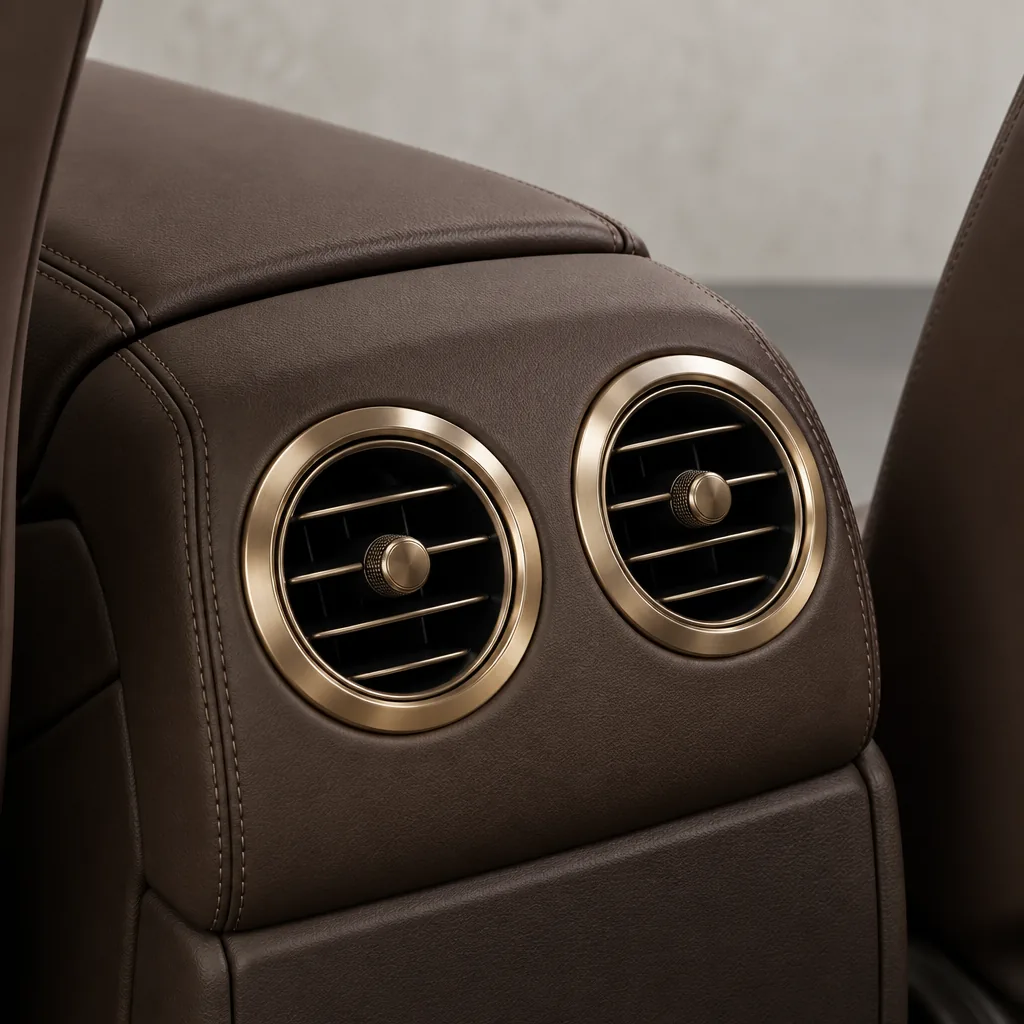
Rear vents on the guest models, fed from a second evaporator on the Emerald, so the person in the rear seat feels it first. Cabin filtration to a finer grade for dust.
Time
Pre-cooling from the depot on grid power, timed by the fleet controller, so the first guest of the day steps into a cool cabin and the battery has not paid for it.

eng-climate-condenser.webp
eng-climate-glass.webpeng-climate-chamber.webpThe test
A vehicle in a heat chamber at 50 °C, radiant load on, doors opened for thirty seconds every five minutes for an hour, cabin temperature logged at the rear seat. The proposed pass criterion is a rear-seat temperature that never exceeds 26 °C and returns to 22 °C within two minutes of the door closing. The room records programme assumptions. Validated results will be added when testing is complete.
eng-climate-vents.webpSystems next
The climate package is only as good as the schedule that runs it. That schedule lives in the fleet controller.